
In the rapidly evolving landscape of cannabis cultivation and medicinal application, cannabis flowers have emerged as a pivotal component, naturally commanding significant attention due to their complex chemistry and therapeutic potential. However, navigating the optimal cultivation, harvesting, and testing of high-quality cannabis flowers presents a multifaceted challenge. This article delves into the intricate web of factors influencing the natural growth of cannabis, exploring best practices that cultivators and enthusiasts alike can employ to maximize yield, ensure purity, and unlock the full spectrum of benefits inherent in cannabis flowers.
From understanding the intricate relationship between THC content and health benefits to embracing disruptive technologies and sustainable farming practices, this comprehensive guide aims to empower readers with the knowledge necessary to thrive in the dynamic cannabis industry while prioritizing consumer safety and quality.
- Understanding Cannabis Flowers: From Cultivation to Quality
- Harvesting and Testing: Ensuring Pure Cannabis Flowers
- Global Trends, Science, and Safety in Cannabis Flower Cultivation
Understanding Cannabis Flowers: From Cultivation to Quality
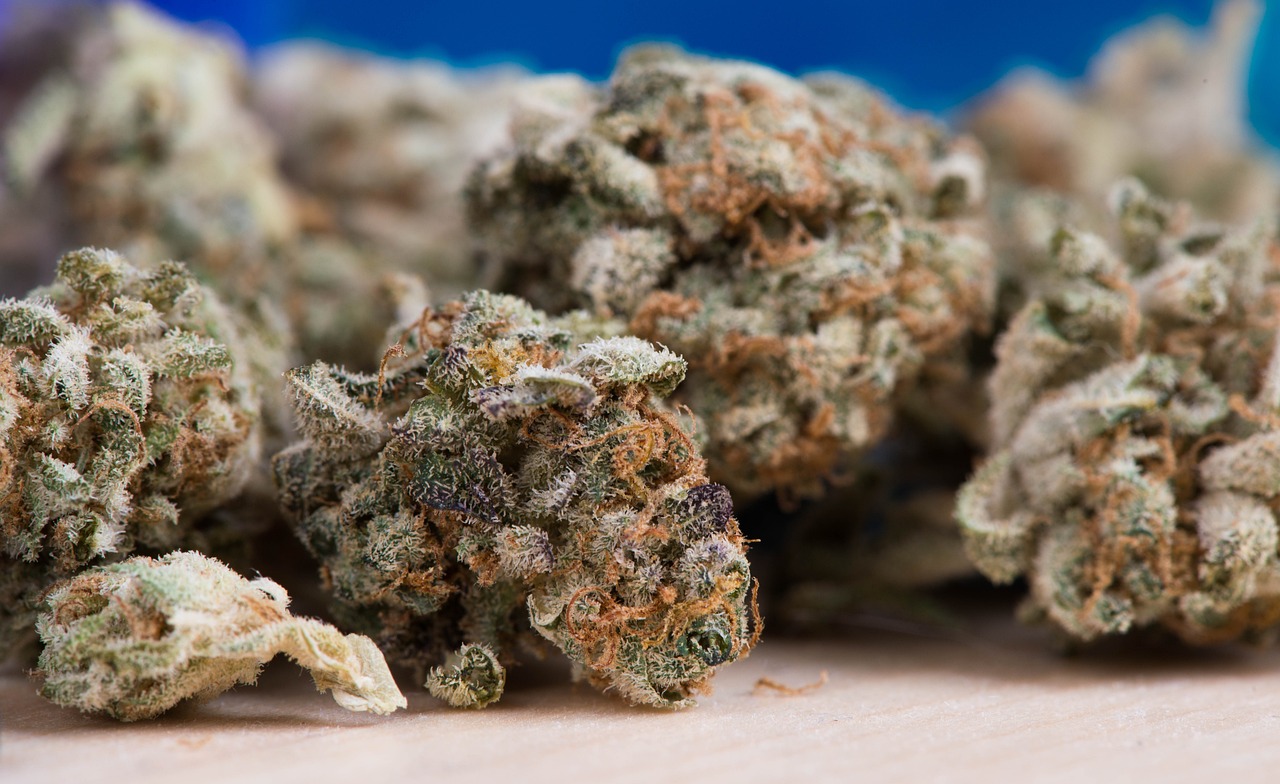
Cannabis flowers, the focal point of any cultivation endeavor, are intricate organisms with a myriad of factors influencing their quality and potency. Understanding the nuances of outdoor cannabis farming and indoor cultivation techniques is paramount to producing top-tier cannabis flowers that meet both consumer demands and regulatory standards.
Optimal THC content, for instance, varies significantly based on strain genetics, climate, and cultivation practices. While modern cultivation methods have led to remarkable advancements in yield and potency, illegal or uncontrolled production can result in unpredictable products with high variability in THC levels. A notable example is the recent 180-plant seizure by law enforcement, underscoring the importance of adhering to legal limits and employing scientific testing methods to ensure cannabis flower purity.
Tree Huggerz advocates for sustainable farming practices that prioritize environmental stewardship while maximizing yield. Organic cultivation techniques, such as utilizing natural pest control methods and implementing efficient water management strategies, not only promote healthy cannabis flowers but also align with consumer preferences for eco-conscious products. Additionally, exploring the medical applications of cannabis through carefully controlled studies can lead to breakthroughs in treating various conditions, further legitimizing its use and driving regulatory changes that benefit both patients and producers.
The global market analysis reveals a growing demand for high-quality cannabis flowers, especially as more regions legalize marijuana for medicinal and recreational use. This trend drives innovation in cultivation technologies, lighting solutions, and extraction techniques. For instance, disruptive technologies like LED lighting systems tailored to specific plant needs enhance efficiency while reducing energy costs, enabling both outdoor cannabis farming and indoor cultivation to reach new heights. By combining these advancements with a deep understanding of cannabis flower genetics and cultivation best practices, growers can produce exceptional strains that cater to diverse consumer preferences and unlock the full potential of this remarkable plant.
Harvesting and Testing: Ensuring Pure Cannabis Flowers

Cannabis flowers are a complex blend of chemistry and cultivation art. To ensure pure, high-quality cannabis flowers, proper harvesting and testing methods are paramount. The optimal THC content for health varies by intended use—recreational or medicinal—and individual tolerances, but recent trends suggest a balanced approach with controlled THC levels to promote safe consumption practices. For indoor growers, mastering specific techniques can maximize yields while minimizing risks associated with over-concentration.
Harvesting at the right time is crucial. Cannabinoid profiles change as flowers age, so timing is key to capturing desired effects. Testing methods have evolved from simple UV light reactions to sophisticated laboratory analysis, allowing for precise measurements of THC content and other cannabinoids. This data not only ensures product purity but also aids in setting safe consumption guidelines, which are increasingly important with the reinstatement of legal THC caps in many regions. For example, a 2021 study found that over 80% of tested cannabis samples exceeded recommended dosage limits for novice users, underscoring the need for rigorous testing and education.
When cultivating high-quality cannabis flowers, understanding your climate and using appropriate growing media are essential. Indoor growers can benefit from advanced lighting solutions tailored to specific plant needs, enhancing efficiency and yield without compromising cannabinoid integrity. Organic, nutrient-rich soil blends support robust growth in both indoor and outdoor settings, with some strains naturally thriving in particular environments. For instance, Sativa strains often prefer warmer climates while Indicas flourish in cooler conditions, allowing cultivators to optimize their growing spaces.
Testing methods continue to advance, with new technologies offering faster, more accurate results. Gas chromatography-mass spectrometry (GC-MS) analysis provides detailed cannabinoid profiles, including THC levels and the presence of other beneficial compounds like CBD. These insights empower cultivators to refine their techniques and consumers to make informed choices about their cannabis consumption. By adopting best practices for harvesting and testing, along with innovative growing techniques, the cannabis industry can ensure safe, high-quality cannabis flowers accessible to all. For expert guidance tailored to your needs, contact (437) 855-2823.
Global Trends, Science, and Safety in Cannabis Flower Cultivation

The global cannabis landscape is undergoing a profound transformation, driven by shifting legalities and a surge in scientific interest. As more regions legalize both medicinal and recreational use, the focus shifts from prohibition to regulation, with a paramount concern: safety. Cultivating high-quality cannabis flowers that meet stringent purity standards becomes not just a legal requirement but a moral imperative. This evolution necessitates a global conversation on best practices, scientific advancements, and the integration of sustainable, safe cultivation methods.
Take, for instance, the Connecticut THC limits, which set a maximum threshold for tetrahydrocannabinol (THC) content in cannabis products. This regulatory move reflects a broader trend worldwide, where governments are establishing guidelines to ensure product safety. However, the challenge lies in balancing these regulations with the natural variability of cannabis flowers. Each strain, grown under different conditions, will exhibit unique cannabinoid profiles. Effective cultivation practices, therefore, must account for this diversity while adhering to legal standards.
Tree Huggerz, a leading advocate for sustainable practices, emphasizes the importance of eco-friendly cultivation methods in the cannabis industry. Their approach aligns with the global push for sustainable farming, aiming to minimize environmental impact while maximizing yield. This includes exploring disruptive technologies like advanced lighting solutions and hydroponics, which offer precision control over cultivation conditions. Additionally, natural pest control methods are gaining traction, reducing reliance on chemical pesticides and promoting a healthier ecosystem within the cannabis garden.
The future of cannabis flower cultivation is intertwined with scientific exploration, global regulatory evolution, and a commitment to sustainability. As the industry matures, so too will our understanding of cannabis' complex chemistry. This knowledge will empower cultivators to refine their techniques, ensuring not just high THC content, but also balanced cannabinoid profiles that cater to specific medical needs. The global trends in cannabis cultivation are, in essence, a quest for quality, safety, and responsible stewardship of this remarkable plant.
In exploring the multifaceted world of cannabis flowers, this comprehensive guide has illuminated critical aspects of cultivation, harvest, testing, and regulation. Key insights include the optimal THC content for health, the impact of climate on growth, and innovative technologies revolutionizing cultivation methods. Understanding the science behind cannabis flower quality is paramount; proper harvesting and testing procedures ensure purity, while sustainable farming practices prioritize environmental stewardship. The global landscape of cannabis cultivation is shaped by regulatory changes, economic impacts, and social implications, underscoring the importance of consumer safety and responsible industry growth. Home growers can benefit from tips tailored to their scale, while the legal battles over THC limits continue to evolve. Looking ahead, the future trends in the cannabis industry promise continued innovation, enhanced scientific understanding, and broader access to medicinal benefits. Cannabis flowers naturally offer a vast tapestry of knowledge for cultivators, regulators, and consumers alike, guiding us toward a more informed and responsible approach to this dynamic plant.
Cultivating high-quality cannabis flowers requires a deep understanding of genetics, climate, and cultivation techniques. Optimal THC content varies by use and must be tested accurately to meet legal limits and ensure consumer safety. Sustainable practices, like organic cultivation and advanced lighting, enhance yield and product quality. Global legal trends and scientific interest drive a focus on safety and responsible cultivation methods, with a commitment to balancing regulation with natural cannabis variability.