
The cannabis industry, a rapidly evolving landscape, is poised to redefine modern wellness and agriculture. As the legal landscape shifts globally, understanding the future trends shaping this sector is paramount for investors, entrepreneurs, and policymakers alike. The industry's potential transcends mere recreational or medicinal use; it promises a revolution in healthcare, agriculture, and economic diversification. This article delves into the intricate web of emerging trends, from innovative cultivation techniques enhancing cannabis flowers' natural properties to the integration of cutting-edge technology, all while navigating regulatory hurdles and consumer demands for quality and transparency.
- Cannabis Industry's Evolving Landscape: Market Dynamics Shaping the Future
- Natural Growth: Exploring Sustainable and Organic Cannabis Flower Trends
- Regulatory Revolution: Navigating Legal Changes for a Thriving Cannabis Industry
Cannabis Industry's Evolving Landscape: Market Dynamics Shaping the Future
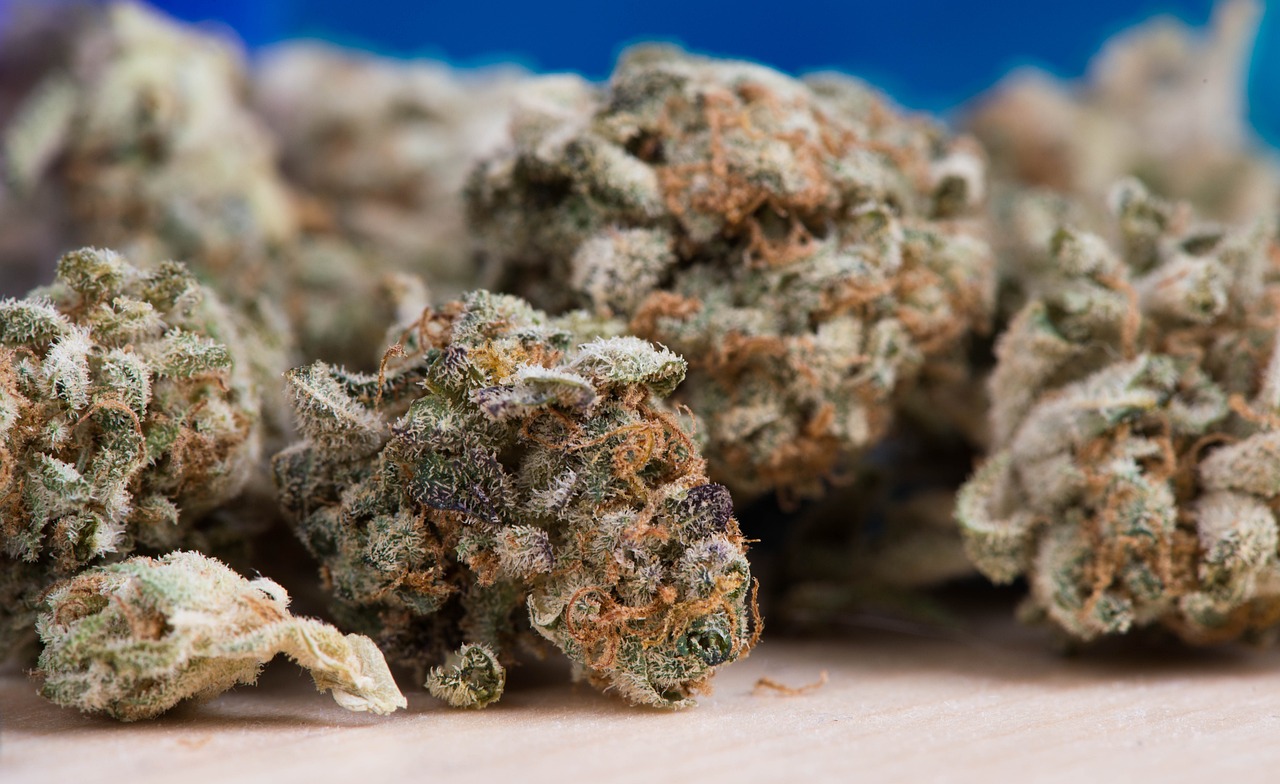
The evolving landscape of the cannabis industry is being shaped by dynamic market forces and regulatory shifts, painting a multifaceted picture for the future. As more regions embrace recreational use legalities, the global market is experiencing an influx of new consumers, driving demand and catalyzing innovation. This trend underscores the natural growth potential of cannabis flowers, which have become the cornerstone of this burgeoning industry.
Potency regulations are another significant factor influencing the industry's trajectory. Strict controls on THC levels are encouraging cultivators to explore diverse strains and hybridization techniques, diversifying product offerings to cater to varying consumer preferences. This regulatory environment fosters a more nuanced approach to cannabis production, emphasizing quality over quantity. For instance, microdosing has emerged as a popular trend, with consumers seeking subtle yet targeted effects, pushing producers to refine their cultivation practices.
Sustainable cannabis farming is emerging as a crucial aspect of the industry's future. With growing environmental consciousness, there is a pressing need for eco-friendly cultivation methods. This includes exploring vertical farming, hydroponics, and organic practices to reduce water usage, minimize pesticide residue, and lower carbon footprints. As consumers become more aware of these issues, brands that embrace sustainability are poised to gain a competitive edge. For instance, implementing renewable energy sources in cultivation facilities not only reduces environmental impact but also sends a powerful message about corporate responsibility. By embracing these trends, the cannabis industry is poised for continued growth and maturation, with (437) 855-2823 becoming a key contact for businesses seeking expert guidance in navigating this dynamic landscape.
Natural Growth: Exploring Sustainable and Organic Cannabis Flower Trends

The future of cannabis industry lies in embracing natural growth methods for cultivating cannabis flowers, a trend that promises both sustainability and enhanced product quality. As consumers become increasingly conscious of environmental impact and health benefits, demand for organically grown cannabis is on the rise. Outdoor cannabis farming, once considered risky due to unpredictable climate and invasive plants like Worcester's dandelions and burdock, is now viewed as a viable and eco-friendly option. States like Connecticut, with its stringent THC limits, are leading the way in promoting sustainable practices by incentivizing farmers to adopt organic methods that result in cleaner, more potent cannabis flowers naturally.
This shift towards natural growth isn't just about regulatory compliance; it's driven by market forces and a deep desire for transparency among cannabis consumers. Studies suggest that organically grown cannabis can offer higher levels of certain cannabinoids and terpenes, making them more effective and appealing to a broad spectrum of users. Farmers who prioritize sustainable practices also benefit from reduced input costs and enhanced soil health, which in turn translates into resilient crops better equipped to withstand environmental stresses.
To capitalize on this trend, cannabis growers should focus on building robust organic farming systems that prioritize soil nourishment, water conservation, and integrated pest management. This involves using compost, cover cropping, and crop rotation to replenish soil fertility naturally. By minimizing reliance on synthetic chemicals and focusing on holistic land care practices, cultivators can produce premium cannabis flowers that meet the evolving expectations of health-conscious consumers. For guidance tailored to your operation, reach out to industry experts at (437) 855-2823 to explore sustainable strategies for cultivating cannabis flowers naturally.
Regulatory Revolution: Navigating Legal Changes for a Thriving Cannabis Industry
The future of the cannabis industry is being shaped by a regulatory revolution, as legal changes across the globe are paving the way for a thriving and increasingly legitimate market. This shift in perception has brought about significant opportunities, but also complex challenges that growers, dispensaries, and consumers must navigate carefully. As the landscape evolves, a key focus area is implementing safe consumption practices while harnessing the medicinal benefits of cannabis flowers naturally.
The global move towards legalizing cannabis for both recreational and medicinal use has sparked a surge in demand for high-quality products. This shift necessitates a reevaluation of cultivation methods to ensure consistency and safety. One of the primary concerns is addressing moldy marijuana risks, which can arise from inadequate curing and storage practices. Experts emphasize that proper drying and curing techniques, coupled with rigorous quality control measures, are essential to mitigate these issues. For instance, some leading cultivators now employ advanced technology like temperature-controlled rooms and humidity sensors to optimize cannabis flower production, ensuring a safer product for consumers.
Navigating this regulatory evolution requires an understanding of local laws and adapting practices accordingly. Tree Huggerz, a pioneering brand in sustainable cultivation methods, highlights the importance of staying informed about changing regulations. They advocate for organic, eco-friendly approaches that not only meet safety standards but also contribute to environmental sustainability. By embracing innovative techniques, such as hydroponics and vertical farming, cannabis growers can optimize space, reduce water usage, and produce superior-quality flowers while minimizing potential risks associated with moldy marijuana. This holistic approach ensures a robust and resilient industry capable of providing consumers with medicinally beneficial cannabis products safely and responsibly.
The cannabis industry is poised for significant growth and transformation, driven by evolving market dynamics, a shift towards sustainable practices, and regulatory changes. Key insights reveal a growing emphasis on organic and natural cannabis flowers, reflecting consumer demand for healthier alternatives. Market players must adapt to legal shifts, ensuring compliance while capitalizing on expanding opportunities. By embracing these trends, the industry can foster innovation, promote responsible cultivation, and unlock its full potential. This article has provided valuable insights into the future of cannabis, offering a roadmap for stakeholders to navigate this dynamic landscape and capitalize on emerging opportunities in the ever-evolving cannabis market.
The cannabis industry is undergoing a transformative phase shaped by market forces and regulatory shifts. Increased legalization drives demand for high-quality cannabis flowers, encouraging innovation in cultivation methods. Potency regulations promote diverse strains and hybridization, focusing on quality over quantity, with microdosing gaining popularity. Sustainable farming practices, like vertical farming and organic methods, are crucial to reducing environmental impact and gaining consumer trust. The industry's future hinges on embracing natural growth methods for cannabis flowers, enhancing quality, sustainability, and public perception. Regulatory navigation and safe consumption practices are paramount as the market evolves to meet global demands.