
The debate surrounding cannabis flowers naturally continues to evolve as society grapples with the distinct distinctions between recreational and medicinal use. With growing legalizations globally, understanding these nuances is more critical than ever for both medical professionals and consumers. While cannabis has garnered attention for its potential therapeutic benefits, its popularization for recreational purposes raises questions about regulation, access, and long-term effects. This article delves into the complex interplay between these two aspects, exploring the scientific evidence, societal implications, and policy considerations shaping the future of this controversial plant.
- Understanding Cannabis Flowers: A Natural Overview
- Recreational vs. Medicinal Use: The Global Perspective
- Balancing Health and Culture: Navigating Legal Challenges
Understanding Cannabis Flowers: A Natural Overview
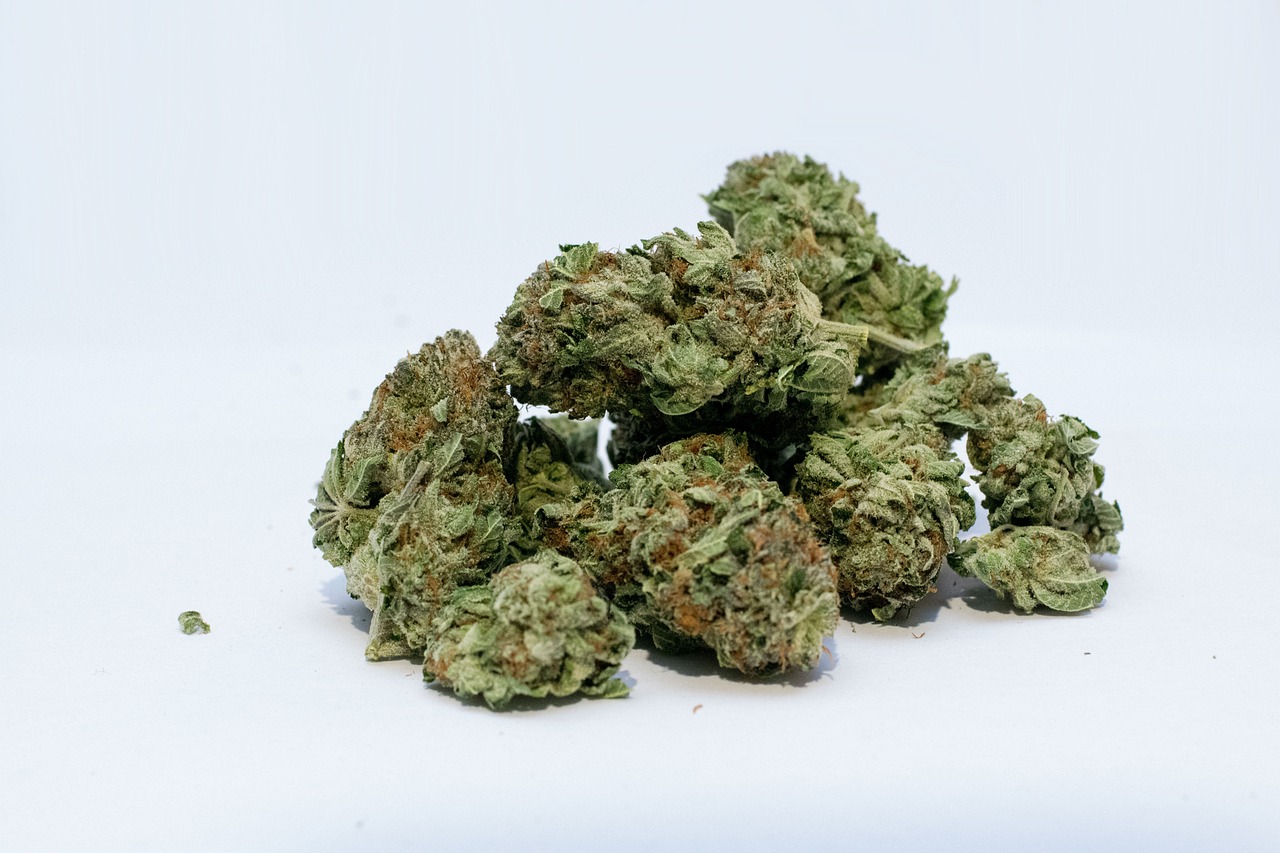
Cannabis flowers, a natural product with a complex history, have been the subject of intense debate regarding their recreational and medicinal use. This discussion often centers around understanding the nuances of cannabis chemistry, particularly the role of tetrahydrocannabinol (THC), the primary psychoactive compound. The evolution of cannabis legislation, such as the Sacramento event shift and THC cap reinstatement, reflects a growing acknowledgment of its therapeutic potential. For instance, Connecticut has set THC limits that are one-to-three times lower than federal guidelines, underscoring the state's commitment to responsible use and research.
Natural variations in cannabis flowers offer diverse chemical profiles, including varying levels of THC and cannabidiol (CBD), each with distinct effects. This diversity challenges simplistic categorizations, emphasizing the need for comprehensive studies that consider the complex interplay of cannabinoids and terpenes. Experts argue that cannabis's medicinal value lies not just in THC but also in its ability to interact with the endocannabinoid system, a network of receptors found throughout the body. Research suggests CBD, often present in higher concentrations in certain strains, possesses anti-inflammatory and anxiolytic properties, making it a promising candidate for various medical conditions.
For those seeking guidance on navigating this complex landscape, (437) 855-2823 offers a trusted resource. By staying informed about the latest scientific findings and legislative shifts, consumers can make more deliberate choices regarding cannabis flowers. Ultimately, a balanced perspective that considers both the potential risks and benefits is essential. This approach allows for responsible enjoyment while recognizing the need for further research to unlock cannabis's full therapeutic potential and ensure its safe integration into modern healthcare.
Recreational vs. Medicinal Use: The Global Perspective

The global debate surrounding cannabis flowers has evolved significantly, reflecting a growing recognition of both its recreational allure and medicinal potential. While many countries have legalized or decriminalized cannabis for adult use, fostering a vibrant market driven by consumer preferences and cultural shifts, another crucial aspect demands attention—its medical applications. The distinction between recreational and medicinal use is a complex one, with profound implications for policy, access, and patient outcomes.
Cannabis flowers naturally contain a diverse range of chemical compounds, including cannabinoids like THC and CBD, which have garnered substantial interest in the medical community. Research into these compounds has unveiled promising results for managing various conditions, from chronic pain and seizures to anxiety and sleep disorders. For instance, countries like Canada and several European nations have approved cannabis-based medications for specific medical uses, such as Epidiolex for treating rare forms of epilepsy. This shift towards acknowledging the plant's medicinal applications has sparked a new era of exploration, leading to advancements in cultivation techniques and product development aimed at maximizing therapeutic benefits while minimizing potential risks.
However, navigating this landscape is fraught with challenges. The historic war on drugs has resulted in widespread disruption, including high-profile incidents like the Mansfield cannabis raid, which underscored the complexities surrounding cannabis regulation. Plant seizures and strict enforcement have often overshadowed the ongoing scientific discourse and patient needs. As such, ensuring equitable access to safe, effective medical cannabis remains a critical focus for policymakers and healthcare providers worldwide. To address this, (437) 855-2823, experts advocate for evidence-based approaches that prioritize patient safety, foster robust research, and promote open dialogue, ultimately paving the way for a more nuanced understanding of cannabis flowers' role in modern medicine.
Balancing Health and Culture: Navigating Legal Challenges

Navigating the complex landscape of cannabis regulation is a delicate balance between embracing its potential as both a recreational and medicinal plant while ensuring public health and cultural sensitivity. This debate has been particularly evident in states like Missouri, where the legalization of medical marijuana flowers has sparked both celebration and controversy. The challenge lies in harmonizing access to therapeutic cannabis flowers naturally derived with stringent regulations to prevent misuse and plant seizures.
Missouri's experience offers valuable insights. Since the implementation of its cannabis regulations, there has been a growing body of evidence suggesting improved patient outcomes for those utilizing medical marijuana flowers. However, this progress is not without hurdles. Striking a balance requires a nuanced approach that considers local culture and historical context. For instance, indigenous communities have a profound connection to cannabis, viewing it as a sacred plant with deep cultural significance. Any regulation must respect these traditions while also addressing potential health risks.
Practical considerations are paramount. Experts recommend a comprehensive strategy that includes stringent quality control measures for medical marijuana flowers, robust education programs for patients and caregivers, and clear communication channels for reporting adverse effects. Additionally, (437) 855-2823, accessing expert guidance from licensed professionals can facilitate informed decision-making. By embracing this multifaceted approach, states can navigate the legal challenges while harnessing the potential of cannabis flowers naturally, fostering a healthier and more culturally sensitive society.
As we've explored the multifaceted world of cannabis flowers naturally, from their botanical intricacies to global perspectives on recreational and medicinal use, it's clear that this plant holds immense potential across cultures and industries. The debate surrounding its application is complex, navigating health, legal, and cultural hurdles. Key insights reveal a growing body of evidence supporting cannabis' therapeutic benefits, prompting a reevaluation of its classification and regulation worldwide. By balancing these considerations, society can unlock the full scope of cannabis flowers' capabilities while ensuring responsible use and access for those who stand to gain from its medicinal properties. This article has provided a comprehensive overview, equipping readers with the knowledge to engage in informed discussions on this vital topic.
Cannabis Flowers: Navigating Regulation, Science, and Medicine
1. Debate and Recognition: The global discussion on cannabis flowers balances recreation and medicine, with evolving legislation like Sacramento's event shift and THC cap reinstatement acknowledging its therapeutic potential.
2. Chemical Diversity: Natural variations in cannabis offer diverse chemical profiles, challenging simplistic categorizations and emphasizing the need for comprehensive studies on cannabinoid-terpene interactions.
3. Medicinal Potential: Beyond THC, CBD's anti-inflammatory and anxiolytic properties make it a promising medical candidate. Research suggests responsible use with proper guidance is key.
4. Regulatory Challenges: Navigating cannabis regulation involves balancing access with public health concerns, as seen in Missouri where local culture and historical context play significant roles.
5. Strategic Approach: Experts advocate for evidence-based strategies including quality control, education, clear communication channels, and expert guidance to harness cannabis flowers' potential while ensuring safe integration into healthcare.